IEPA & CEGRAD Launch Free Digital Skills Initiative for 1,000 Women in Education
The Institute for Educational Planning and Administration (IEPA) and the Centre for Gender Research, Advocacy, and Documentation (CEGRAD) work with UNESCO and have condemned discrimination against women in hiring and promotions in education. They stressed the need for changes to ensure that women have equal opportunities in leadership roles. Addressing these gender issues is essential for creating inclusive educational environments and improving outcomes for everyone.
According to the two institutions, leadership often begins not with a title but with the courage to ask difficult questions and act purposefully, even when the path is hard.
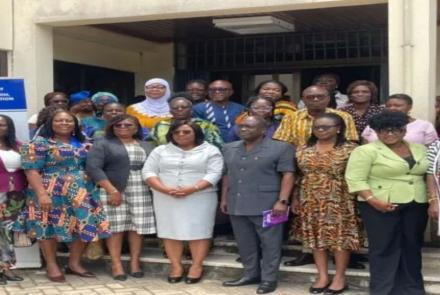
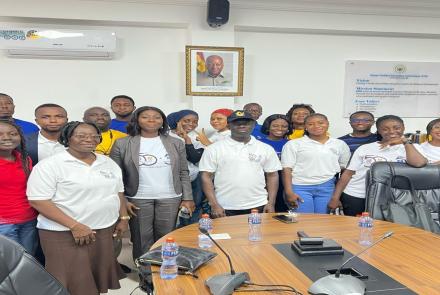
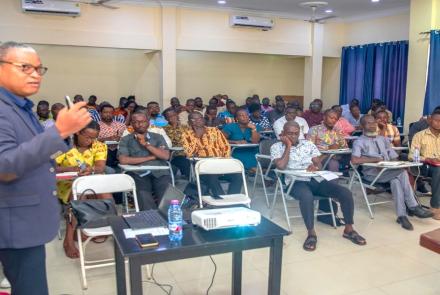
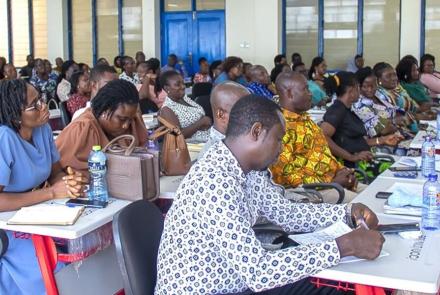
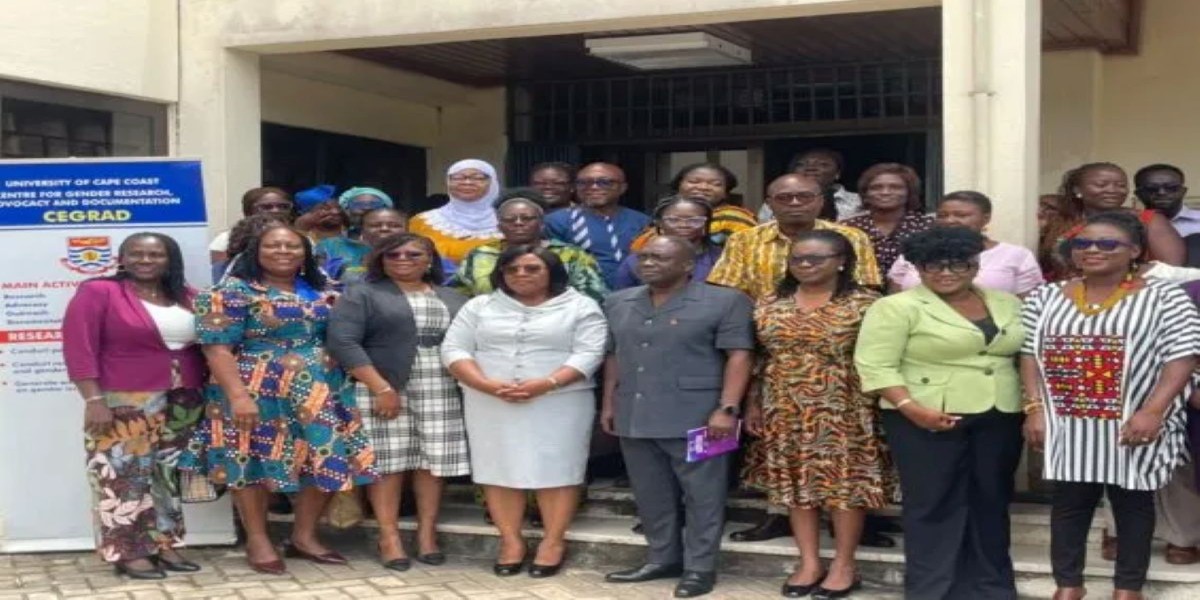
This was revealed when the IEPA, in collaboration with CEGRAD, officially launched the Women Leading Change in Africa initiative. This initiative aims to systematically close the digital and Artificial Intelligence (AI) competency gaps for female educators and institutional leaders throughout Ghana.
The event centered around the theme "Women Leading Change: Empowering Female Educational Leaders in the AI Era."
In her solidarity message, the Director of CEGRAD at the University of Cape Coast (UCC), Prof. Eunice Fay Amissah, emphasised that many capable women still encounter obstacles that hinder their full participation and advancement. She identified these barriers as including unequal access to digital infrastructure and training, limited opportunities for mentorship and professional networking, experiences of online and physical harassment, and institutional cultures that continue to challenge women's authority and competence. “If we want a future that is innovative, equitable and sustainable, then women must lead alongside men at every level,” Prof. Amissah added.
Professor Amissah encouraged women to create higher education institutions that empower them to reshape systems originally designed without their needs in mind. She emphasised that women should not have to conform to these outdated frameworks; instead, they should actively transform these systems for their benefit.
“At the UCC Centre for Gender Research, Advocacy, and Documentation, we are proud to support an initiative that promotes women’s leadership, digital inclusion, innovation, and meaningful participation in shaping the future of higher education,” stated Professor Amissah.
In her presentation, Mrs. Ama Serwah Nerquaye-Tetteh, the Deputy Director-General for Administration at IEPA, explained that the Women Leading Change in Africa project aims to support 1,000 female higher education professionals, including leaders in both teaching and administration.
She clarified the concept of online micro-certification, stating, “This term means that you don’t have to wait until the end of the course to receive your certificate. For example, if you take a two-hour course on what AI is, you can complete it at your own pace. You might study for 20 minutes, then pause, resume later, and continue for another 20 minutes. At the end, there's a simple quiz, and once you complete it, you receive your certificate.”
Mrs. Nerquaye-Tetteh said her outfit has started discussions with accreditation bodies for micro-certificates and urged women to feel free to enrol in the AI courses.
She elaborated that the AI courses are designed to be inclusive and are not restricted solely to women. She emphasised, “While we are highlighting the contributions and achievements of female participants, men are equally welcome to register and join the program.”
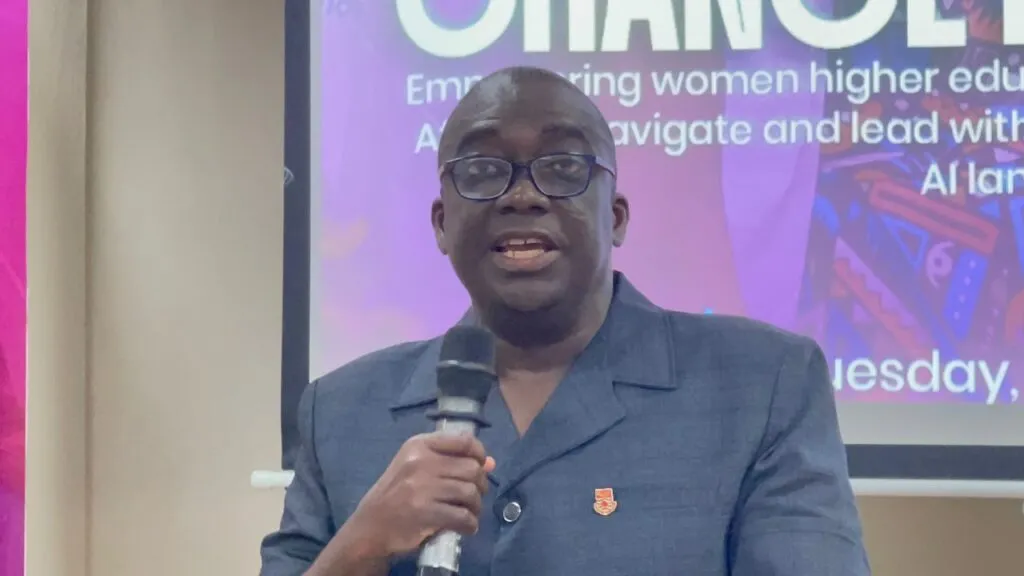
During the event, Prof. Michael Boakye-Yiadom, the Director-General of the Institute for Educational Policy Analysis (IEPA), emphasised the importance of female educational leaders seizing the opportunity to participate in AI courses. He encouraged them to enrol in these programs to equip themselves with the knowledge and skills necessary to contribute meaningfully to the development of policies that promote equality in the workplace. His call to action highlighted the vital role that women can play in shaping a more equitable educational landscape through the integration of technology and innovative practices.
“The ambition of African women in academia is indisputable; however, they continue to encounter substantial structural barriers. To ensure women can lead the digital transformation rather than be marginalised by it, we must provide targeted, high-level capacity-building initiatives. This necessity has prompted the launch of our comprehensive online capacity-building platform,” Professor Boakye-Yiadom stated.